LVP vs Laminate Flooring in Norfolk, VA: Which Is Better?
Flooring, LVP vs laminate flooring Norfolk VA
LVP vs Laminate Flooring in Norfolk, VA: Which Is Better?
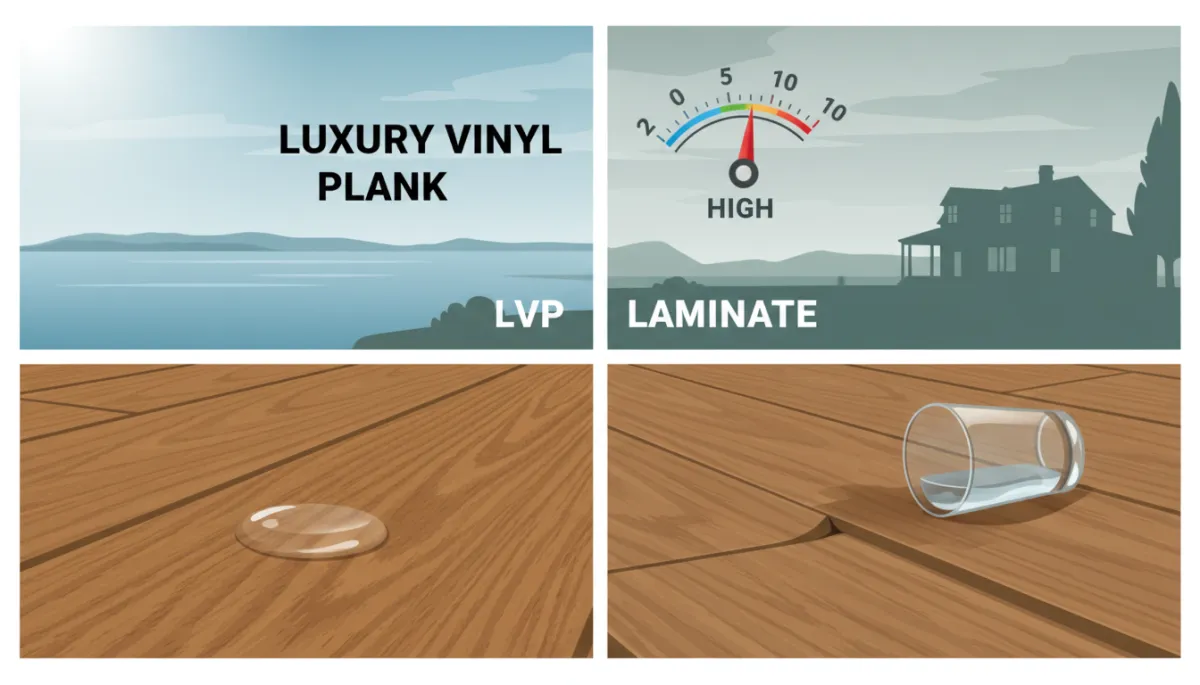
If you live in Norfolk or a nearby Tidewater city and are comparing LVP vs laminate flooring in Norfolk, VA, luxury vinyl plank (LVP) is the better choice for most homes—especially in humid or moisture-prone areas. LVP is fully waterproof, handles Norfolk’s summer humidity and coastal climate with ease, and performs reliably in kitchens, bathrooms, basements, and ground-level living spaces. Laminate can still be a smart option in drier, above-grade rooms, but it is more vulnerable to swelling and damage from everyday spills and moisture. In this guide, Oak Flooring in Norfolk, Virginia breaks down how each material performs, what it costs locally, and which is best for your specific rooms and budget.
What Is LVP Flooring?
Luxury vinyl plank (LVP) is a multi-layer, rigid flooring product designed to mimic hardwood while delivering outstanding water resistance. Most LVP used in Norfolk homes is between 4 mm and 8 mm thick and built in layers: a clear wear layer on top, a high-definition printed design layer, a rigid waterproof core, and often an attached underlayment for comfort and sound reduction. The core is typically either SPC (stone plastic composite) or WPC (wood plastic composite), both of which are considered 100% waterproof for everyday residential use. A thicker wear layer—often 12–20 mil for quality products—improves scratch resistance, making LVP ideal for busy Norfolk households with pets, kids, and high traffic.
What Is Laminate Flooring?
Laminate flooring is a floating floor system built around an HDF (high-density fiberboard) core. On top of the core is a photographic layer that imitates wood or tile, protected by a durable wear layer. Laminate has improved dramatically in recent years, with realistic EIR (embossed-in-register) finishes that follow the grain pattern and give a convincing wood look. However, its main weakness in Norfolk, Virginia is moisture. The HDF core is not waterproof; when exposed to standing water or long-term humidity, it can absorb moisture, swell, and permanently deform. Even “water-resistant” laminate has time limits for cleaning up spills and still doesn’t handle coastal humidity as well as LVP, making it less forgiving in bathrooms, laundry rooms, and basements.
LVP vs Laminate — Key Differences
When comparing LVP vs laminate flooring Norfolk VA homeowners should focus on water resistance, durability, comfort, and long-term value. Both options are attractive, budget-friendly alternatives to hardwood, but they behave very differently in a humid, coastal climate like Hampton Roads. The table below summarizes the main distinctions we see every day in Norfolk, Virginia Beach, Chesapeake, Portsmouth, Hampton, Newport News, and Suffolk homes.
| Feature | LVP (Luxury Vinyl Plank) | Laminate Flooring |
|---|---|---|
| Water Resistance | 100% waterproof; ideal for kitchens, baths, basements | Water-resistant at best; HDF core can swell and buckle |
| Durability | Excellent scratch and dent resistance with thick wear layer | Good surface durability; vulnerable if moisture reaches core |
| Feel Underfoot | Slightly softer, warmer; quieter with attached pad | Firmer, more like engineered wood; can sound hollow |
| Cost (Material) | Typically $2–$10/sq ft depending on quality | Typically $1–$4/sq ft for most residential options |
| Lifespan | 15–25+ years with proper care | 10–20 years; shorter if exposed to moisture |
| Refinishing | Cannot be sanded; individual planks can be replaced | Also cannot be sanded; damaged boards must be swapped |
| Best Rooms | Whole home, especially wet and lower-level spaces | Dry, above-grade living rooms, bedrooms, hallways |
For most Norfolk-area homes, the waterproof nature of LVP makes it the more forgiving and longer-lasting choice, while laminate remains attractive in select, drier spaces where budget is the top priority.
How Norfolk’s Humidity Affects Your Choice
Norfolk and the surrounding Hampton Roads region experience summer humidity frequently above 80%, thanks to our proximity to the Chesapeake Bay, Elizabeth River, and Atlantic Ocean. That constant moisture in the air doesn’t just affect your comfort—it also affects your floors. Laminate’s HDF core can slowly absorb water vapor over time, leading to cupping, edge swelling, and buckling, especially in ground-level rooms, basements, and homes without consistent air conditioning or dehumidification. Even if you never have a major spill, everyday humidity can shorten laminate’s lifespan.
By contrast, LVP’s SPC or WPC core is designed to be dimensionally stable in humid environments. It will not swell when exposed to airborne moisture or routine spills, making it a safer option for homes in Norfolk, Virginia Beach, Chesapeake, Portsmouth, Hampton, Newport News, and Suffolk. For waterfront properties, older homes with crawlspaces, and rental units where you can’t control how quickly spills are cleaned, LVP offers a critical layer of protection against our coastal climate.
Cost Comparison in Norfolk, VA
When comparing luxury vinyl plank Norfolk pricing to laminate flooring Norfolk Virginia, it helps to look at realistic installed costs. Based on recent 2026 data, most homeowners in the Norfolk area pay about $5–$9 per square foot installed for quality LVP, including materials and professional labor. For a 500 sq ft room, that translates to roughly $2,500 to $4,500, depending on product thickness, wear layer, and subfloor preparation needs.
Laminate tends to be slightly less expensive upfront. Installed costs in Norfolk typically fall in the $3–$7 per square foot range. For the same 500 sq ft room, you might see totals between $1,500 and $3,500. However, laminate’s lower moisture resistance can mean earlier replacement in our climate, especially in kitchens, entryways, and lower levels. Over 15–20 years, many Norfolk homeowners find that LVP’s longer lifespan and reduced risk of water damage make it the better long-term value despite a slightly higher initial price.
For a deeper breakdown of installation pricing and what drives your quote, review Oak Flooring’s Norfolk flooring installation cost guide.
Installation — LVP vs Laminate
Both LVP and laminate typically use a click-lock floating installation system, where planks lock together over your existing subfloor without being nailed or glued down (except in certain specialty applications). However, there are important differences in preparation and acclimation that matter in Norfolk’s climate.
Most rigid-core LVP products do not require a separate moisture barrier over concrete or crawlspace subfloors because the planks themselves are waterproof. Subfloor flatness and cleanliness are still critical, but LVP is more forgiving if small amounts of moisture migrate up from below. Laminate, by contrast, almost always requires an appropriate underlayment and moisture barrier to protect the HDF core. It also needs a longer acclimation period—typically 48–72 hours in the home before installation—while many LVP products require only about 24 hours.
If you are considering DIY laminate, be sure to read our detailed laminate flooring installation guide for Norfolk, VA so you understand moisture testing, expansion gaps, and acclimation requirements. Professional installation from Oak Flooring helps ensure both materials perform to manufacturer specifications and maintain their warranties.
Which Is Better for Your Norfolk Home?
For most homeowners comparing waterproof flooring Norfolk VA options, LVP comes out ahead as the safest whole-home solution. In bathrooms, kitchens, laundry rooms, entryways, and basements, we recommend LVP 100% of the time because of its waterproof construction and resistance to Norfolk’s humidity. In living rooms and bedrooms above grade, either LVP or laminate can work, but LVP still offers better protection from spills, pet accidents, and seasonal moisture swings.
For rental properties in Norfolk, Virginia Beach, and surrounding cities, LVP is usually the best investment due to its durability and low maintenance. For whole-home remodels, many of our clients choose LVP throughout for a seamless look and peace of mind. If you are also considering real hardwood, review our hardwood floor installation cost guide for Norfolk, VA to compare pricing and long-term value between hardwood, LVP, and laminate.
Frequently Asked Questions
Is LVP better than laminate for humid climates like Norfolk?
Yes. In a coastal, humid climate like Norfolk, LVP is generally the better choice. Its rigid SPC or WPC core is waterproof and stable in high humidity, while laminate’s HDF core can absorb moisture and swell over time. For homes near the water, properties with crawlspaces, and areas that see frequent spills or mopping, LVP offers more peace of mind and a longer expected service life.
Can laminate be installed in Norfolk bathrooms?
Technically, some water-resistant laminates can be installed in bathrooms, but Oak Flooring generally does not recommend them for Norfolk bathrooms. Steam, standing water around tubs and toilets, and high humidity increase the risk of the HDF core swelling or delaminating. If you choose laminate, you must be extremely diligent about wiping up water immediately. For most Norfolk homeowners, a quality LVP or tile is a safer, more durable bathroom solution.
How long does LVP last in Virginia?
With proper installation and routine maintenance, quality LVP can last 15 to 25 years or more in Virginia homes. The exact lifespan depends on the thickness of the wear layer, the type of core, and how heavily the floors are used. In Norfolk and surrounding cities, LVP’s resistance to humidity and water damage often gives it an advantage over laminate and builder-grade vinyl when it comes to long-term performance.
Which is easier to install — LVP or laminate?
Both materials use similar click-lock systems, so the basic installation process is comparable. Many DIYers find LVP slightly easier to work with because the planks are more moisture-tolerant and often include attached underlayment. Laminate requires more careful attention to moisture barriers and acclimation times. Regardless of the product, professional installation by Oak Flooring ensures proper expansion gaps, transitions, and subfloor preparation for the Norfolk climate.
Does LVP add value to a home in Norfolk?
While solid hardwood remains the gold standard for resale, well-installed LVP can absolutely enhance perceived value, especially in moisture-prone areas where buyers expect waterproof flooring. Many Norfolk buyers appreciate LVP’s durability, easy maintenance, and modern wood looks. In rentals and mid-range homes, upgrading old carpet or sheet vinyl to LVP can make a property more appealing and help it stand out in a competitive market.
How much does LVP installation cost in Norfolk, VA?
Most homeowners in Norfolk, Virginia Beach, and surrounding cities can expect professional LVP installation to cost around $5–$9 per square foot for typical residential projects, including materials and labor. Complex layouts, stairs, extensive subfloor repair, or premium products can increase the price. For a precise quote tailored to your home, contact Oak Flooring at +1 (757) 775-0280 or schedule online at https://api.leadconnectorhq.com/widget/booking/oak-flooring-estimate .
